
THE CENTRAL INDIAN RIVER LAGOON – JUNE 2013 FORECAST
Summer brings several things that improve the fishing in the central lagoon area, some of which include stable weather, light winds and increased variety and numbers of baitfish. The stable weather allows anglers to be able to count on that what happened today will most likely happen again tomorrow because water temperatures haven’t dropped 10 degrees overnight due to some cold front passing through. The light winds open new territory to small boat anglers (i.e. the ocean). This allows anglers a chance to pursue species that are out of their reach the rest of the year, as well as having better conditions to fish the inshore waters. More bait fish means more game fish, plain and simple. Let’s take a look at how these improved conditions affect the fishing in the central lagoon area.
(For more photos, visit our Gallery)
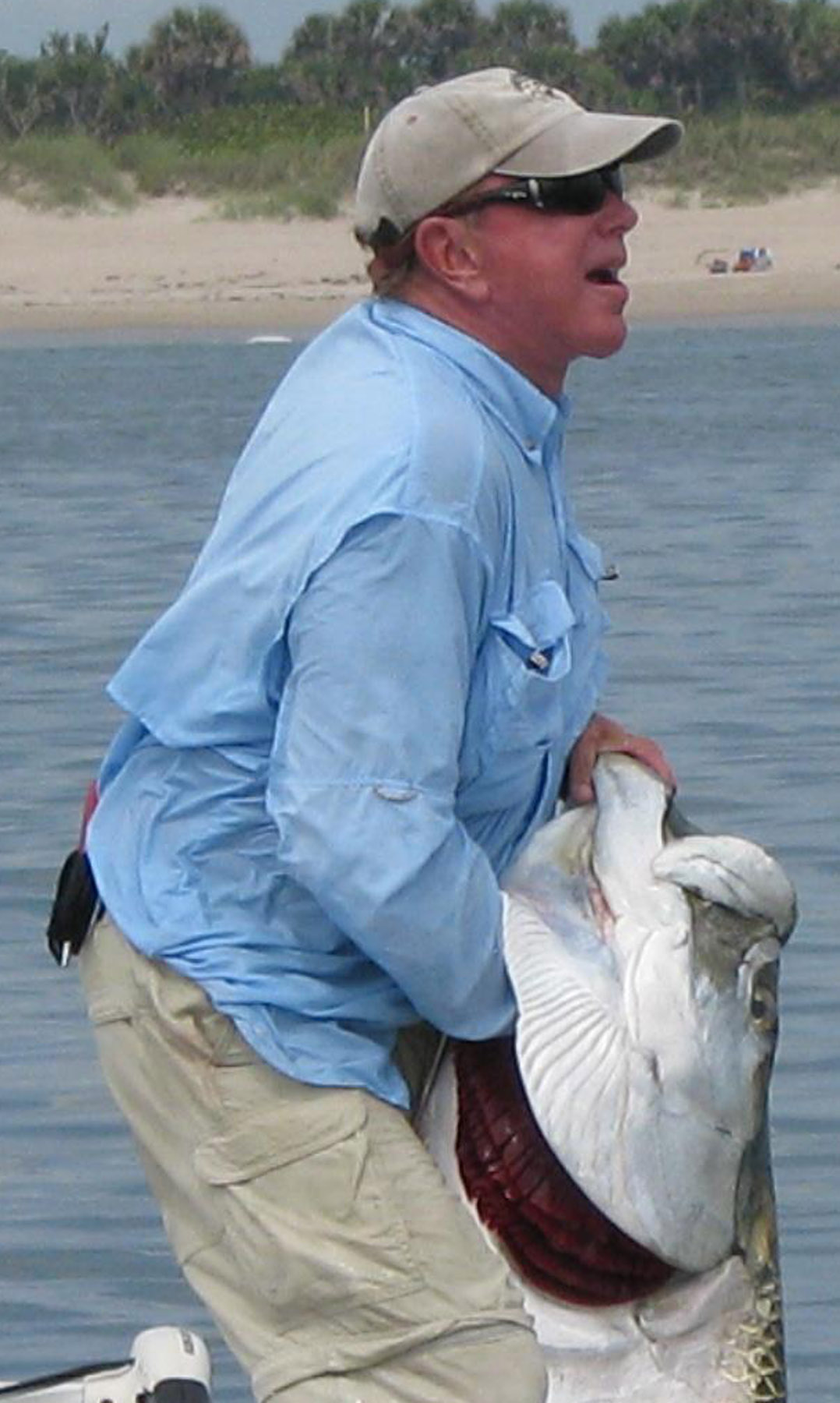
Sebastian River – The top of the list in the Sebastian River in early summer is tarpon. The tarpon fishing was slow in starting this spring, most likely due to the cold winter we experienced. There are tarpon throughout the Sebastian River, but they seem to be frequenting different areas of the river than in years past. This may be a result of the completed muck removal project or the winter, but regardless anglers will need to relearn the Sebastian River to be successful. Flies, Mirro-Lure catch junior plugs, D.O.A. shrimp and Terror-eyz are all good artificial for both snook and tarpon. Live small to medium sized mullet are the best choice for live bait. Some big snook continue to reside in the Sebastian River throughout early summer. Fish docks and cover by day and lighted docks and oyster bars in the dark. Remember snook season will remain closed at least through September 1st.
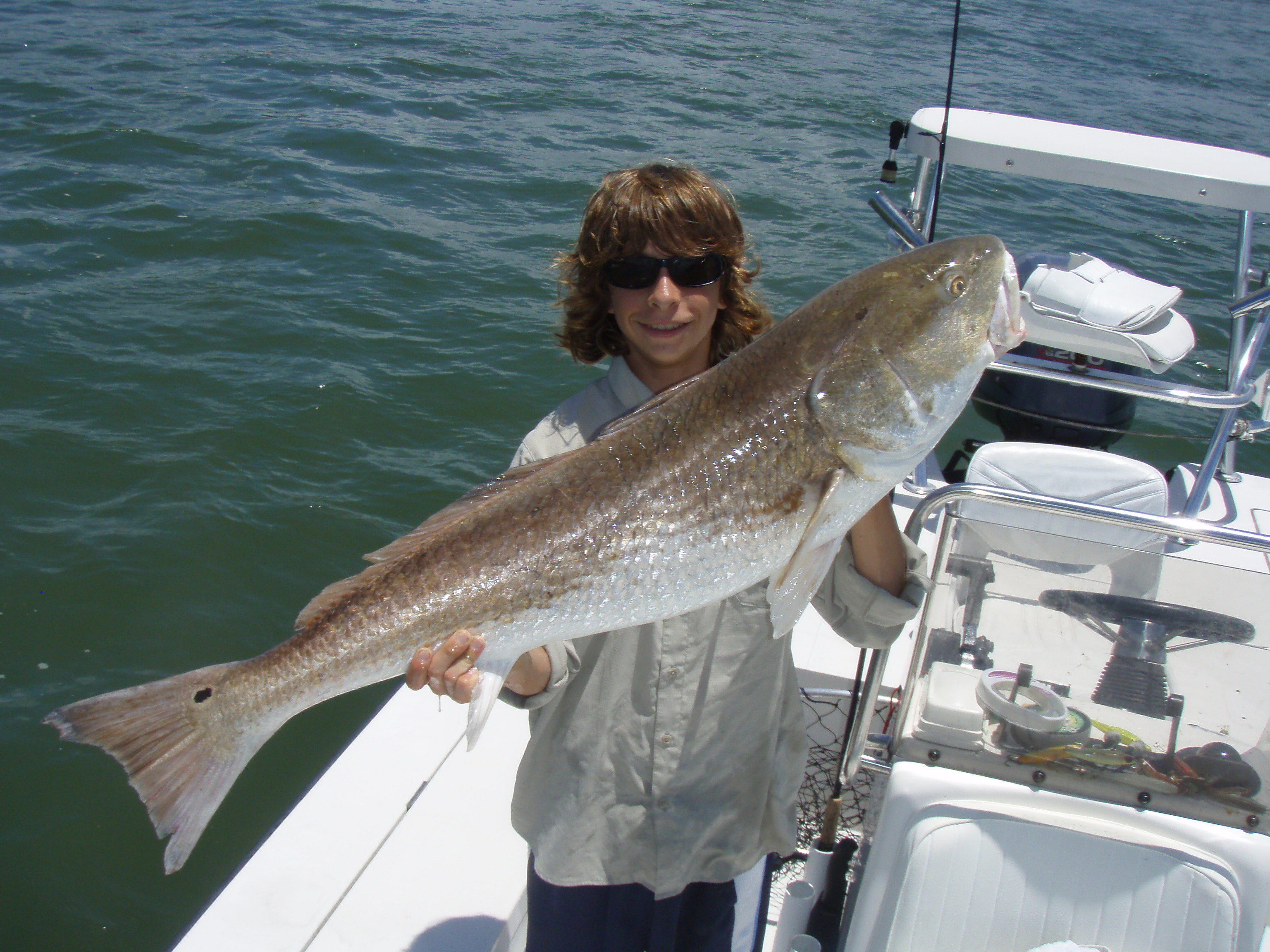
Indian River Lagoon – Early morning provides the best chance at trout and reds on the many flats of the central lagoon. Topwater plugs are the best bet, with jerkbaits, live mullet and pigfish being good choices as well. Look for rolling tarpon and bull sharks in some of the open basins of the lagoon later in the month. Try floating a live ladyfish on stout gear with wire leader for the bull sharks and fire Mirro-lures, flies, D.O.A. – B.F.L. plugs and live mullet at rolling tarpon. Typically, snook of all sizes will be laid up tight to cover getting out of the sun during the day; hopefully this will be the case this summer. Twenty pound power pro combined with D.O.A. shrimp and jerkbaits will do the trick. Some schools of reds will show up on the flats to give summer sight-fishermen targets to cast to. . There are a good number of redfish around, and quite a few of the ones caught this winter and spring were under 20 inches, so they should stay in the slot(18-27”) and in the lagoon through the summer.
Sebastian Inlet – This is the time to take advantage of the inlet. The tips of the jetties have always been the best spots this time of year, the north jetty on the outgoing tide, and the south on the incomer. Live bait is the only way to go during the day. Croakers, pigfish, and shrimp are your best choices. Get them down using anything from a split-shot to a 2 oz. egg sinker and you have as good a chance at catching a picture worthy snook or redfish as any place in the world. Shore bound anglers can also enjoy this great fishery, and possibly be at an advantage at night when live bait is optional and big bucktails and diving plugs are commonly used. I expect to see the big 20-40 lb. reds get in the inlet this summer like they did the last few years. This is the most world class fishing opportunity available on the treasure coast. That’s all I have to say about that.
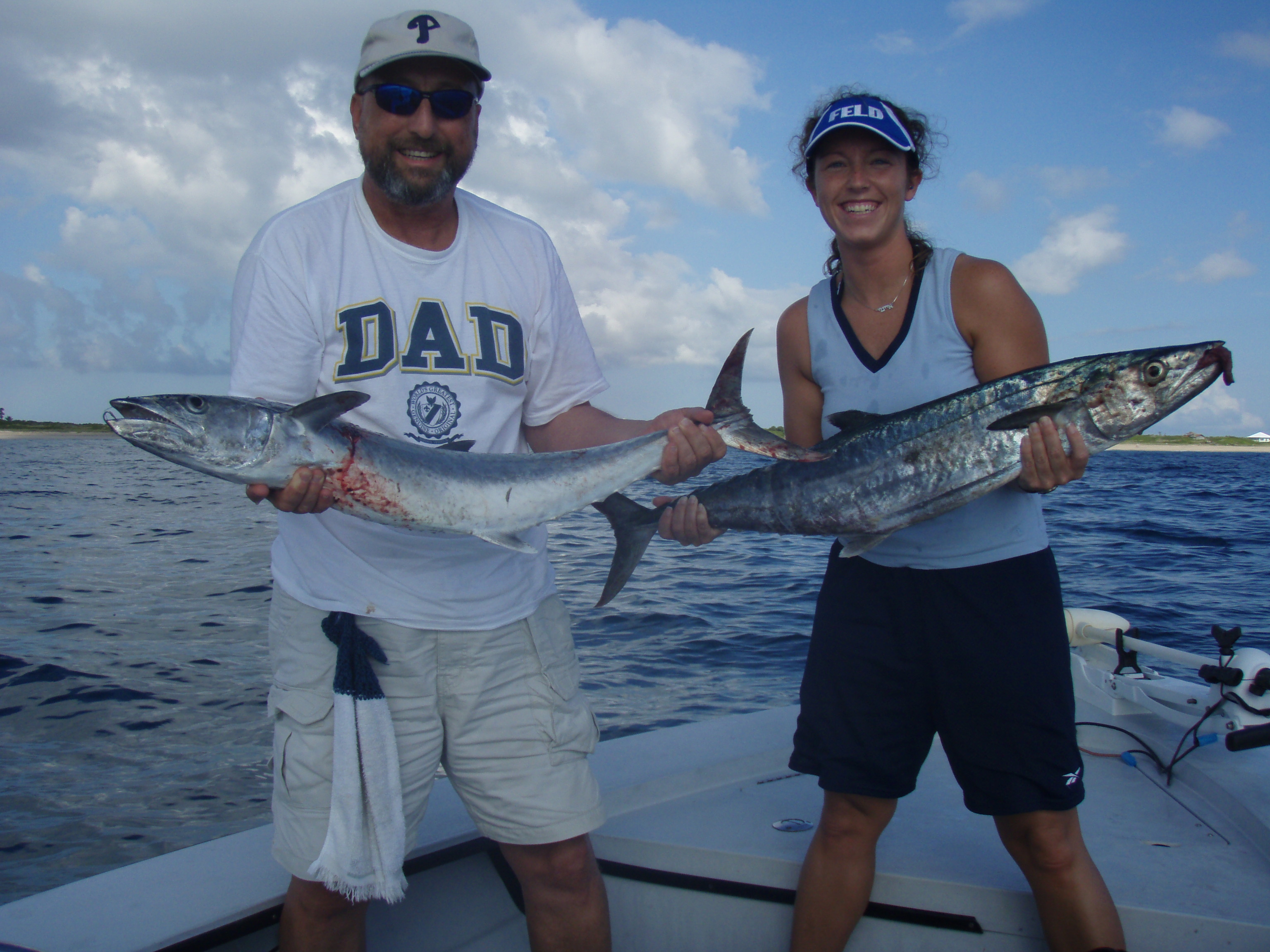
Near shore Atlantic – The summer time near-shore fishery is our best chance of the year to catch fish weighing out in the double and sometime triple digits. Large migrating tarpon, smoker kings, hard fighting little tunny, toothy barracuda, brawling cobia, colorful dolphin, and even sailfish are possible within small boat range of the inlet. The tarpon are generally within a mile of the beach, they will generally hit a free-lined mullet or greenie tossed in front of them. Keep your eyes open, your baits lively and have a heavy spinning rod with plenty of 20# test. Keep a light spinner or fly rod with you while looking for tarpon, because you’re sure to run across schools of Spanish mackerel and little tunny. Slow trolling live bait within 10 miles of Sebastian Inlet, often times within 1mile is a great way to catch good numbers of hard fighting species historically thought of as “Offshore” species. I have personally won offshore tournaments with 30+ pound king mackerel I have caught while admiring the bikinis on the beaches and jetty of Sebastian Inlet. My wife landed her fist sailfish in 23 feet of water about a mile north of the inlet. I have witnessed fellow snook anglers anchored off the tip of Sebastian inlet land numerous cobia. Speaking of cobia, the tide line formed by the outgoing water a from Sebastian and Fort Pierce inlets is a very high percentage area for cobia.
Summertime is when Mother Nature works in our favor, get out and take advantage of it!
Tight Lines,
Capt. Gus Brugger
www.sebastianfishingguides.com
772-589-0008
Capt. Gus Brugger is a full time inshore fishing guide with over 15 years of charter fishing experience in the Sebastian area. He and his 18’ and 21’ Maverick flats skiffs are available for charter by one to Four anglers with reservations. Captain Hiram’s Resort is home base for Pattern Setter Charters and is a perfect get away for serious anglers or family fun. Give Gus a call today and book a trip to east central Florida’s finest fishing destination.